Journey to the Philippines continues
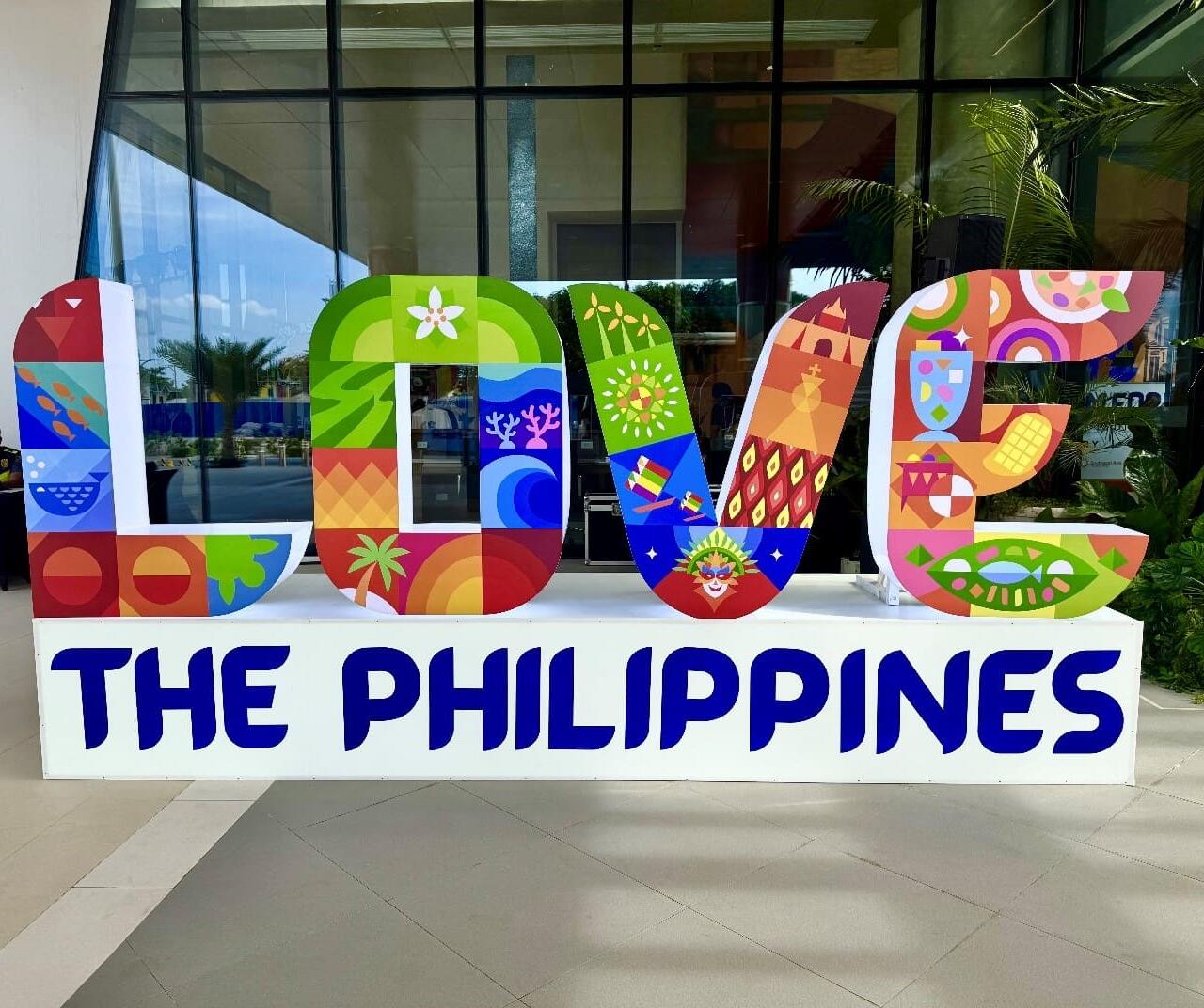
After days full of exhibitions, meetings, presentations, and briefings at the ASEAN TOURISM FORUM (ATF) 2026, the final event was a tour of the picturesque regions of the Philippines, which took place from January 31 to February 4, 2026 for hosted buyers and media representatives.
Natalia Klimenok from Russian Travel Digest, who previously participated in a pre-tour of Cebu Island reported on the event.
On January 31, we departed from Cebu-Mactan Airport for Luzon Island, and approximately 1.5 hours later, we landed at Clark International Airport in Pampanga Province.
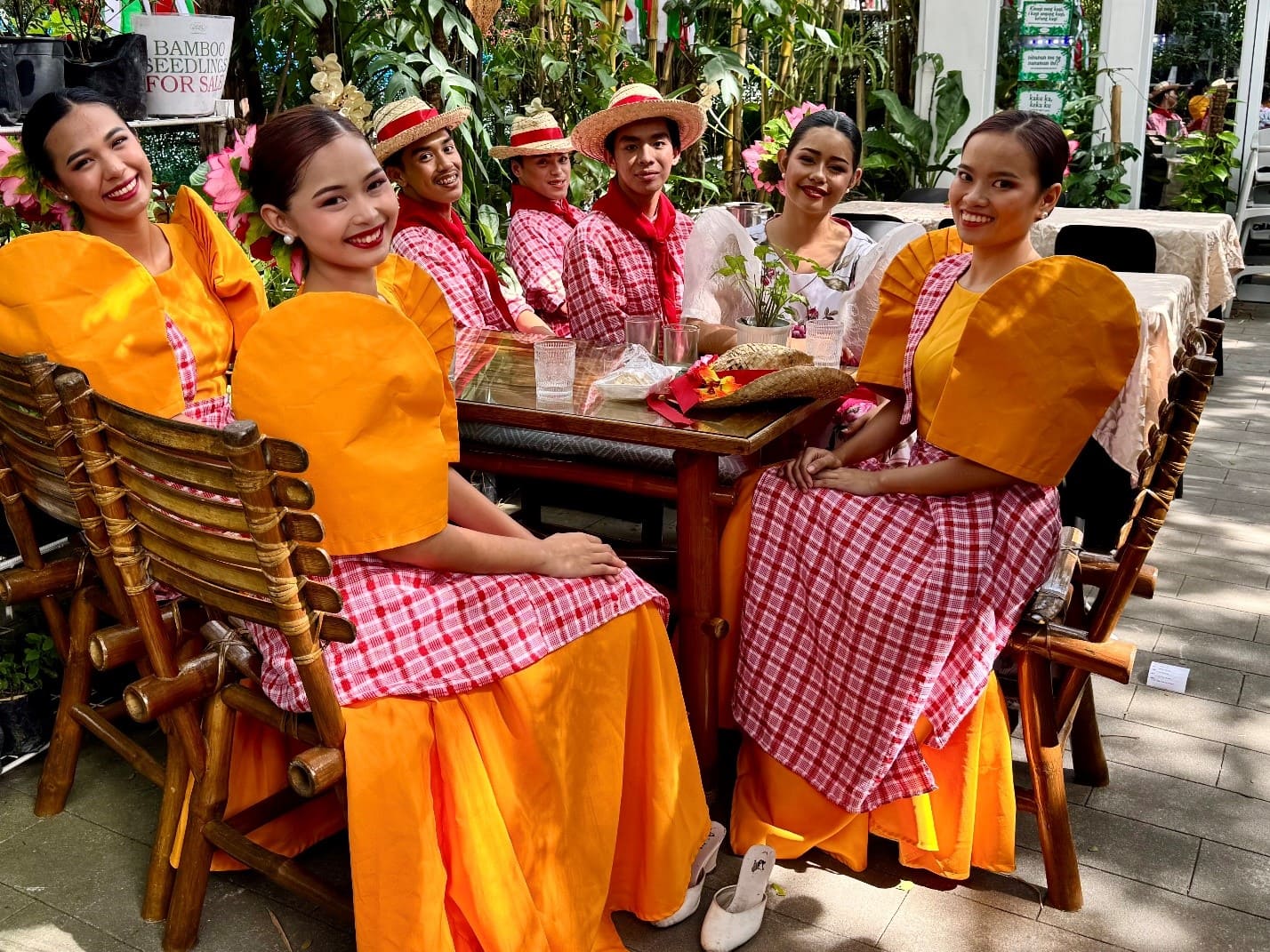
In the Gagua city we were invited to lunch at the Kapampangan cuisine restaurant Apag Marangle with a demonstration of cooking classic Buro with Hito and Pork Sisig dishes. When the Philippines was under Spanish rule, Spanish monks and sailors taught the Kapampangan locals the basics of Spanish cuisine. The result was a unique combination, as we saw for ourselves after tasting these delicious but unusual dishes for Europeans.
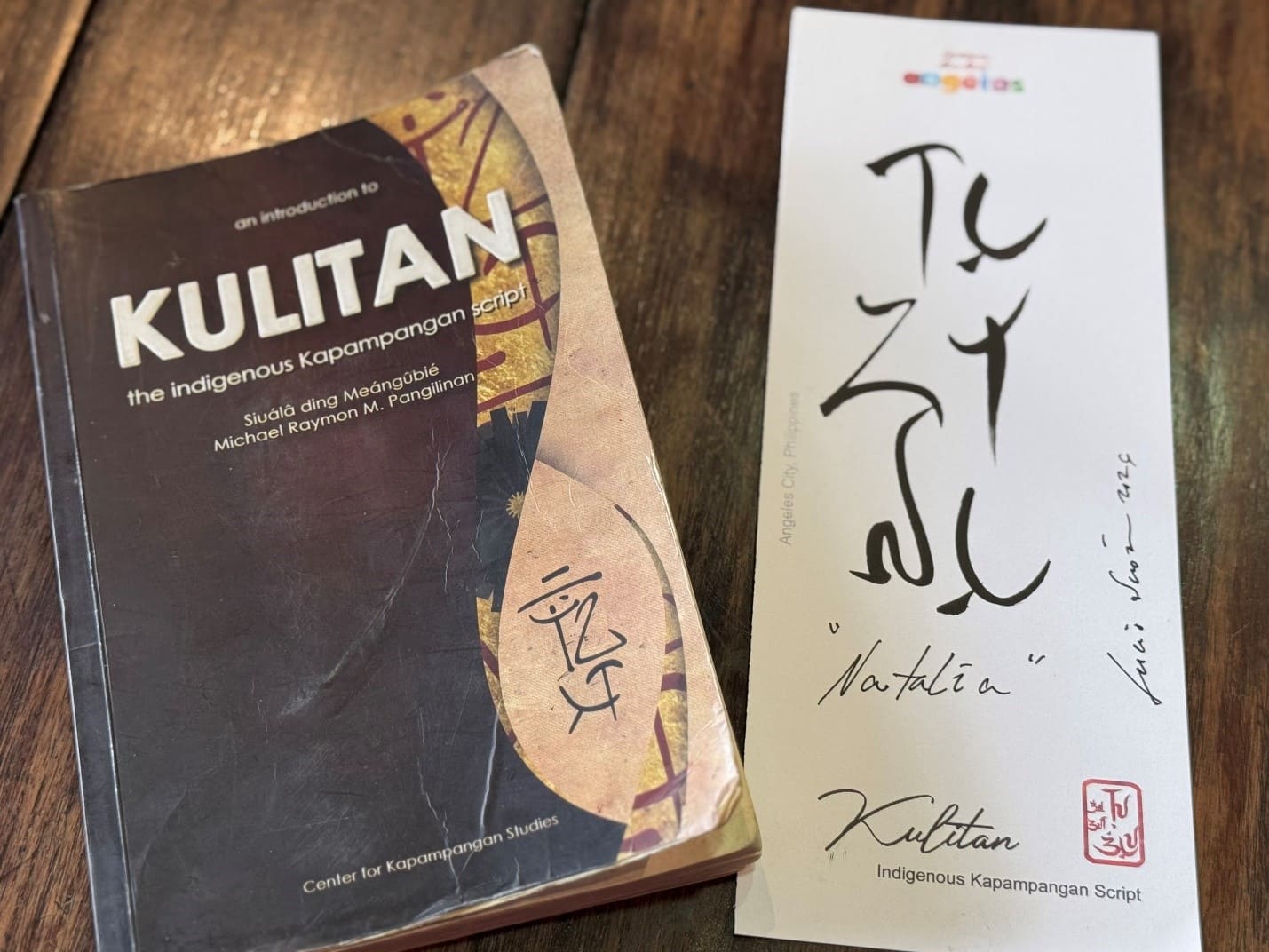
Here we also got acquainted with Kulitan, the ancient writing system of Pampanga province, which is characterized by a top–down writing direction. By the 18th century, Kulitan had fallen out of common use due to the widespread use of the Latin alphabet, which was promoted by Spanish missionaries.
Then there was a visit to the Museo Ning Angeles in Angeles city and San Guillermo Parish Church in Bacolor city.
The site of the Museo Ning Angeles was once a courthouse during the Spanish colonial era, but it burned to the ground in 1860. The current building was constructed in 1922 and served as the City Hall until 1998. In 1999, the building was converted into a museum. Its permanent exhibits include sections on the history of Angeles City and clothing designed by Angeles native Patis Pamintuan.
San Guillermo Parish Church is a Roman Catholic church built in 1576 by Augustinian monks. In 1991, the eruption of volcano Pinatubo partially destroyed the church, but after its restoration, it has become one of Pampanga's most popular tourist attractions. The church houses a museum displaying religious icons and historical artifacts.
On February 1, immediately after breakfast, we started exploring Clark Freeport and Special Economic Zone (CFEZ) in the central part of the island of Luzon, which is a hub for business, industry, aviation, education and tourism in the Philippines. At the office of the Clark Development Corporation (CDC), the Philippine government corporation that manages the CFEZ, an engaging presentation was held explaining its history, functions, and objectives. Thus, it is planned that by 2030 CFEZ should become a modern, sustainable aerotropolis and a preferred destination for business and tourism in the Asia-Pacific region.
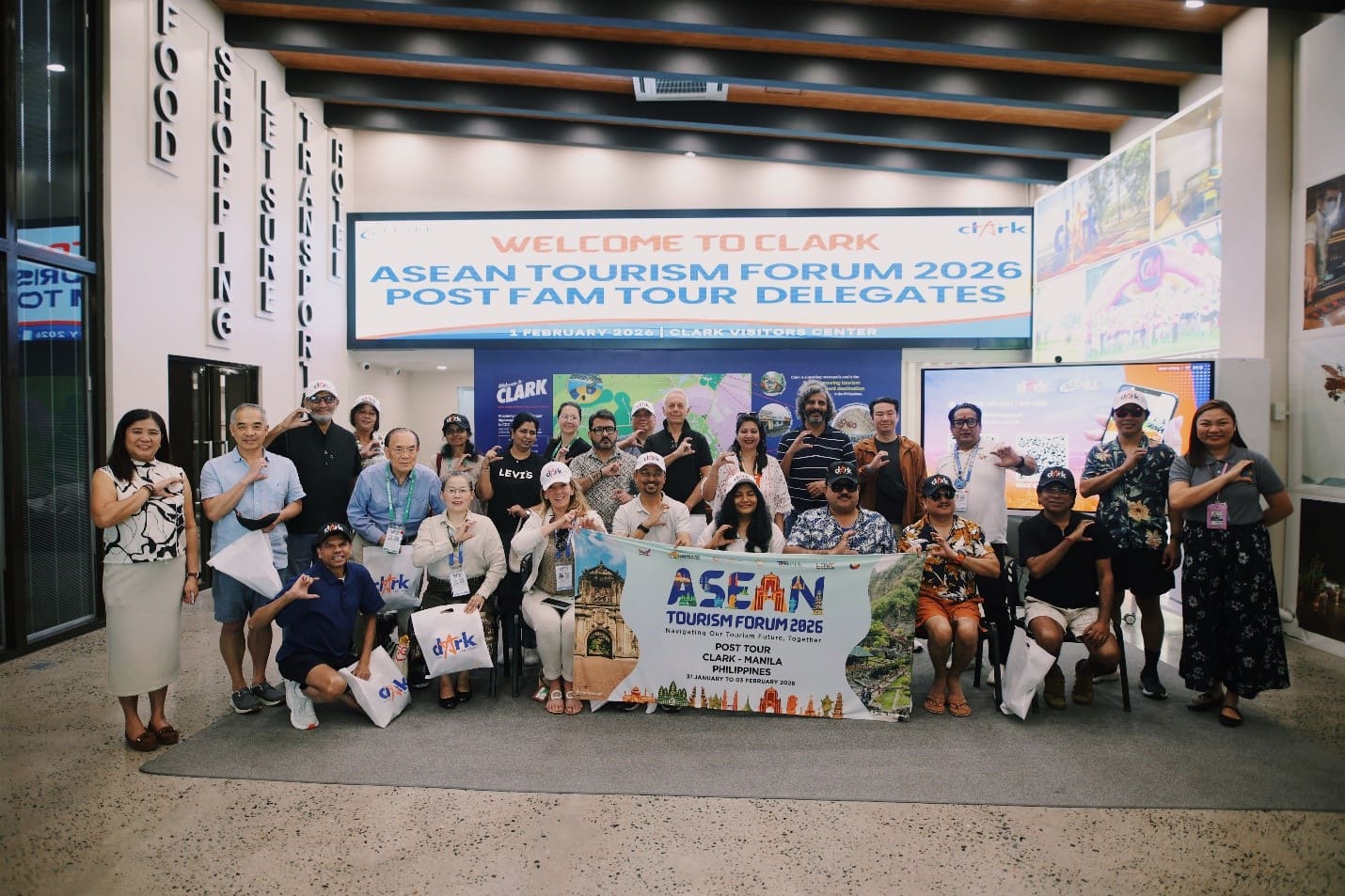
Also memorable was a fascinating tour of the Clark Zone and a visit to the Clark Museum and 4D Theater.
The museum tells the story of Clark from 1901 to the present through exhibits, interactive displays, murals, and dioramas.
The 4D theater offers visitors an immersive experience using moving seats, environmental effects, and sensory elements that transport viewers to historical moments. The theater also screens a 20-minute documentary, «Rising from the Ashes», which explores Clark's rich history.
Next, there was an impressive 4x4 trip to Puning Hot Springs, natural hot springs in the Sapang Bato district of Pampanga province. They were formed as a result of the eruption of volcano Pinatubo in 1991. The trip followed the Sakobia River, and along the entire route we passed streams, gorges, ash-covered hills, and canyons carved by volcanic mudflows called lahars.
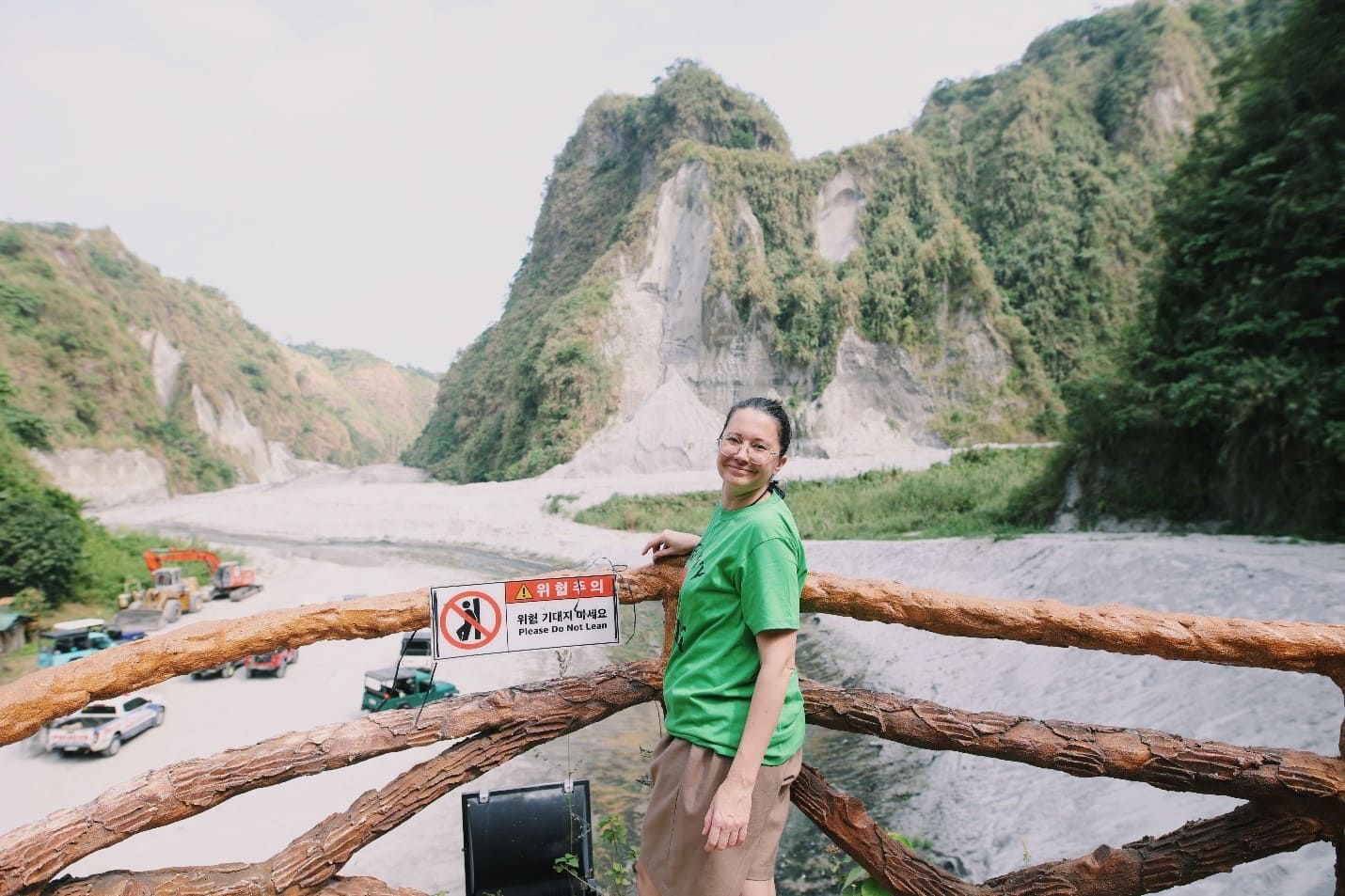
Here, in the unusual natural spa center at the foot of the Pinatubo volcano, you can swim in hot springs and take spa treatments - mud masks (a mixture of volcanic ash and eucalyptus is distributed over the face and body) and a sand bath (guests are invited to put on a bathrobe and lie on a sandy mat; then their bodies are covered with sand for 15-20 minutes). It was a new level of spa experience!
On February 2, the 3rd day of our trip, we spent in Manila, in Instramuros, a centuries-old historic district surrounded by a stone wall. During the time of the Spanish Empire, it was considered the city of Manila proper. Other cities located outside the walls, which are now districts of Manila, were independent and incorporated into the city of Manila only at the beginning of the 20th century.
In Instramuros, we visited the following attractions:
The Instramuros Tourism Center, located in the reconstructed San Ignacio Church and inaugurated in June 2024, hosted an event organized by the Department of Tourism of the National Capital Region and the Intramuros Administration.
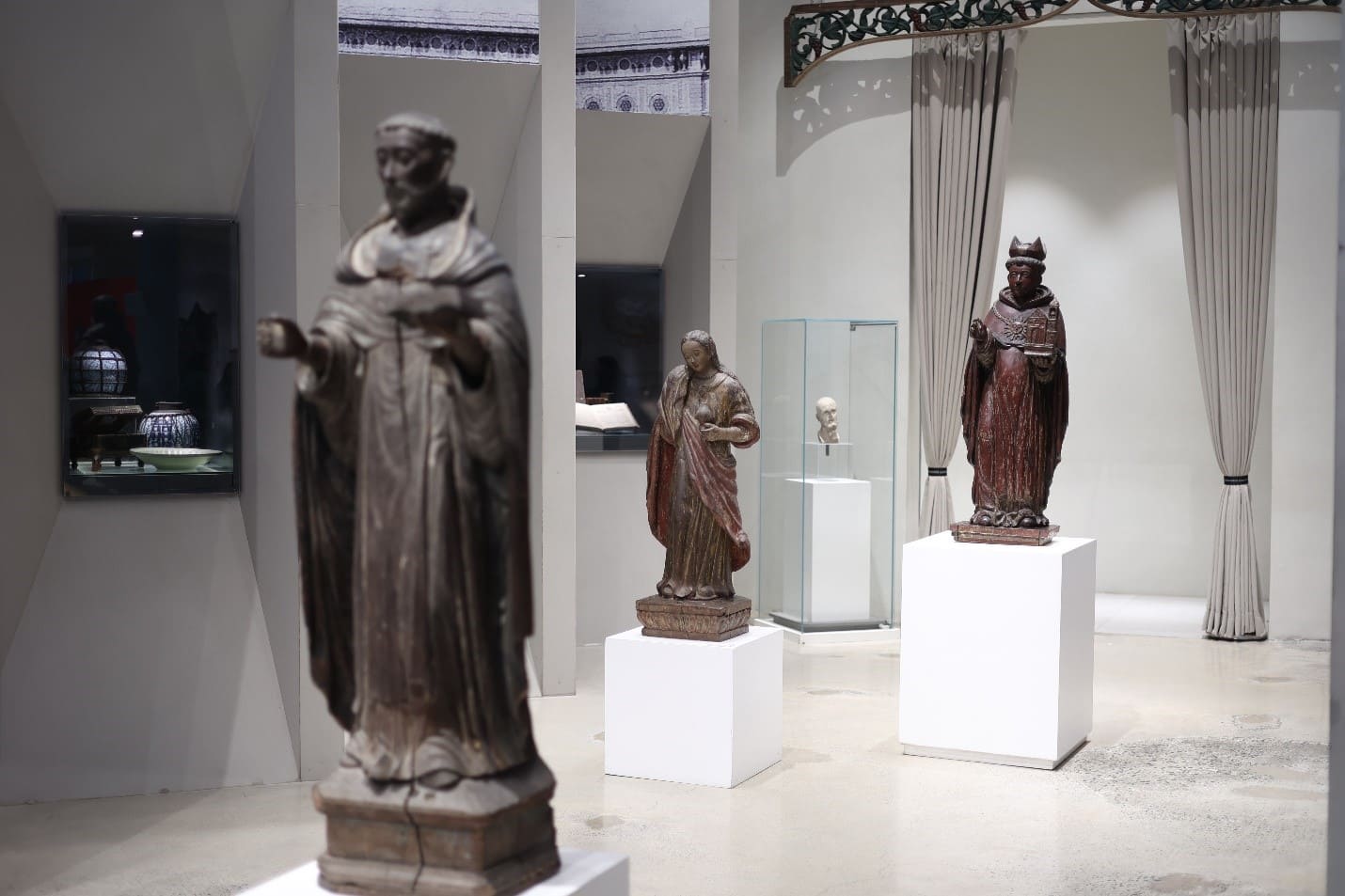
San Agustin Church is one of the oldest churches in the Philippines, built during the Spanish colonial period. It has been declared a UNESCO World Heritage Site.
The Manila Cathedral in Plaza de Roma is a Philippine cultural heritage site, built in 1566. On January 16, 2015, Pope Francis visited the cathedral during his pastoral visit to the Philippines.
Fort Santiago is a fortress built in 1571 by the Spanish conquistador Miguel Lopez de Legazpi. Throughout its centuries-long history, it played a central role in the defense of Manila. Today, the fort, its bastions, and the prison dungeons for criminals used by the Spanish authorities are part of a historical park.
Casa Manila is a museum showcasing the colonial lifestyle of wealthy families during the Spanish colonization of the Philippines.
Destileria Limtuaco is the oldest surviving distillery in the Philippines, founded in 1852 by Chinese merchant and martial artist Lim Tua Ko. Destileria Limtuaco has a museum featuring exhibits dedicated to the production of alcoholic beverages and a section dedicated to its flagship brand, White Castle whiskey. It also houses 120 bottles of Destileria Limtuaco products, including its first product Siok Hoc Tong, the oldest bottle of which dates back to the 1920s.
On February 4, the last day of our trip, we traveled to San Juan, where we visited the Pinaglabanan Shrine, a Philippine national shrine and park. It was built in 1973 to commemorate the battle of Pinaglabanan in August 1896, the first major open armed conflict of the Philippine Revolution against the Spanish colonial authorities.
The Museo El Deposito is also located here - a historical museum opened in 2019 and dedicated to the history of the city's water supply system, including the El Deposito Underground.
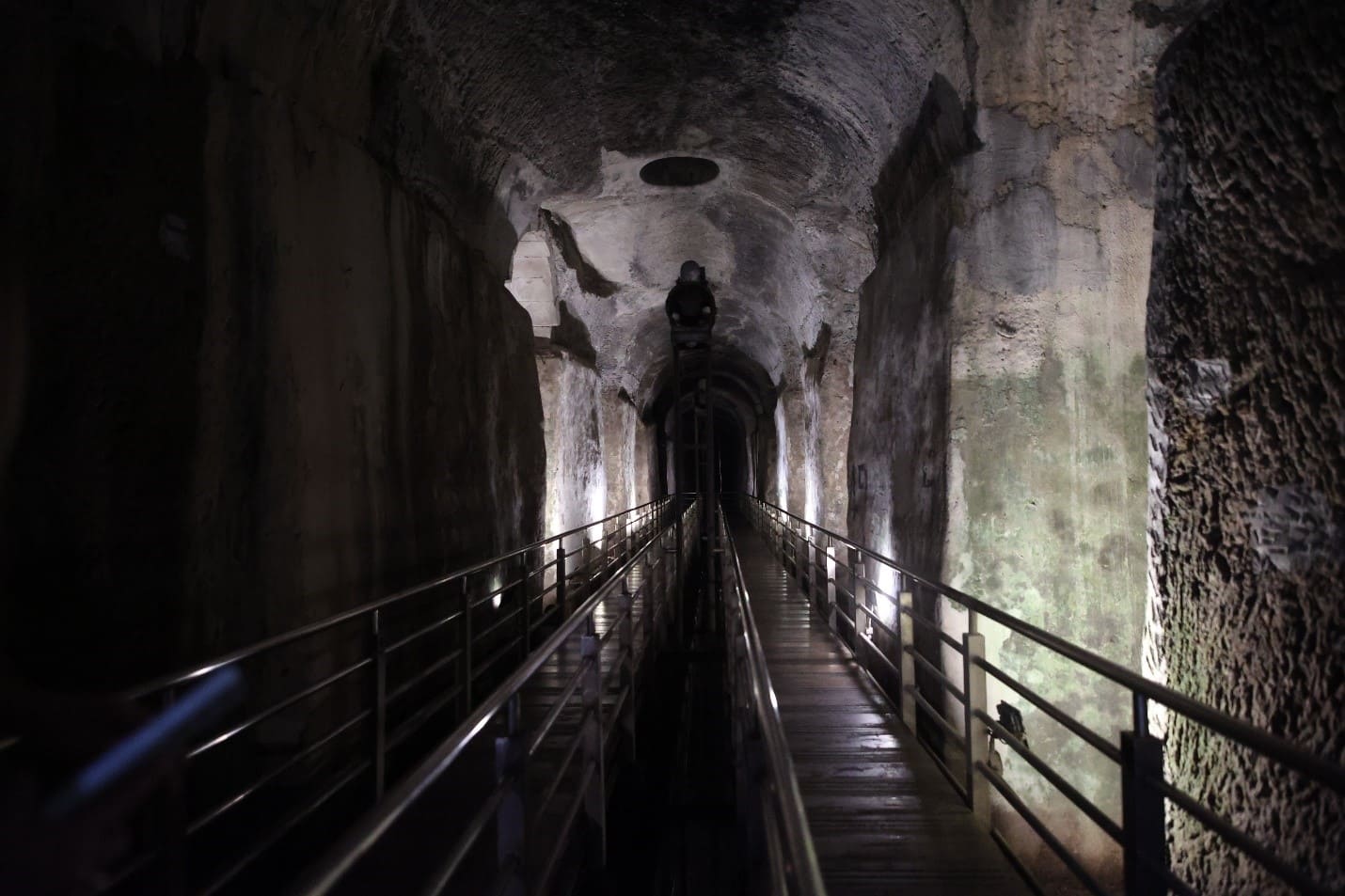
El Deposito is one of the oldest underground reservoirs in the world. Built in 1882 to supply water to Manila residents, it was used as an armory during the American and Japanese occupations, and later as a sanatorium for tuberculosis patients.
The KKK Museum is also located on the territory of the Shrine. It is dedicated to the Katipunan, a secret Filipino patriotic organization created in July 1892 to fight Spanish rule and which played an important role in the Philippine Revolution.
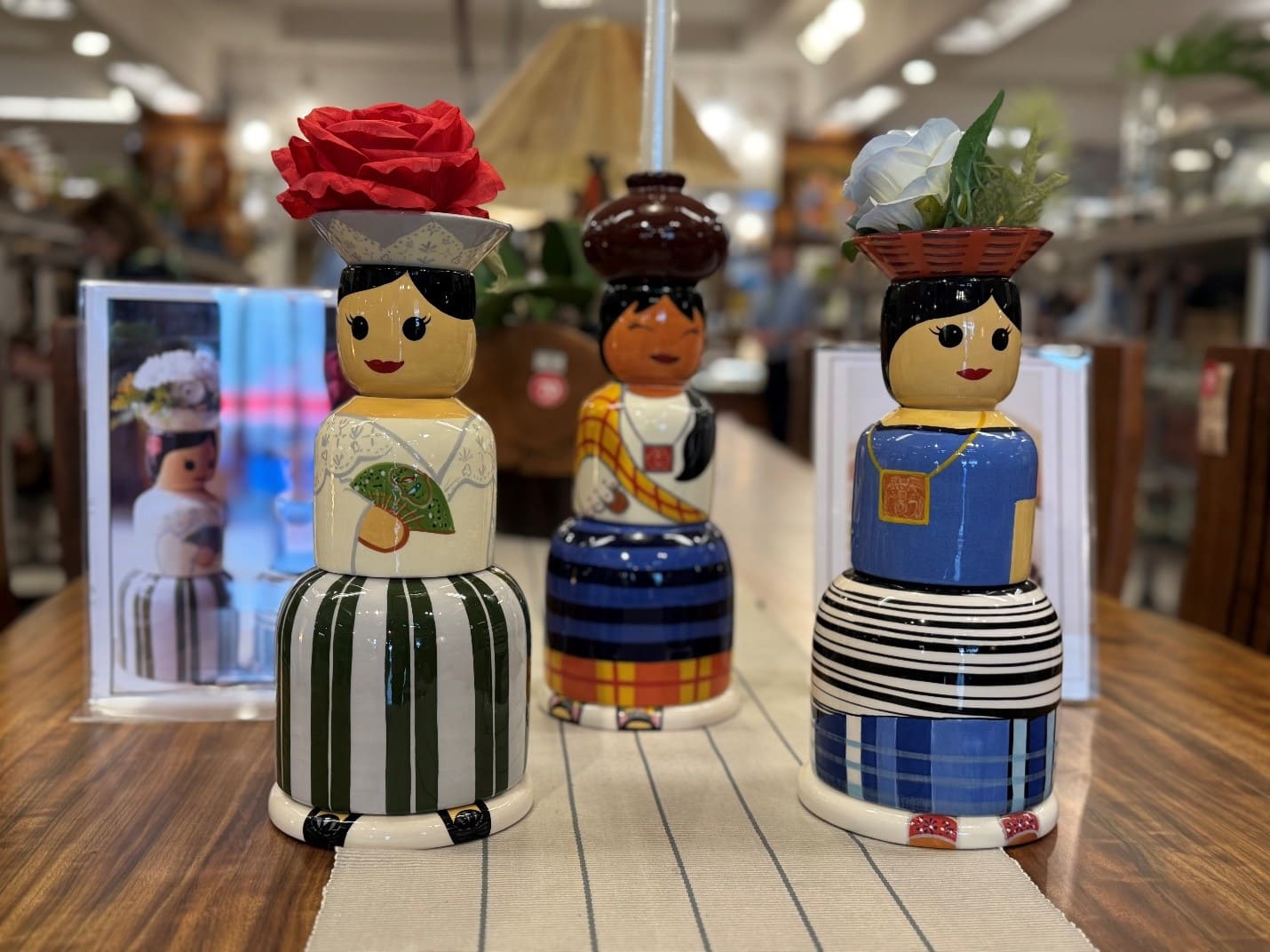
After lunch, we returned to Manila, where in Makati, the city's business hub with high-rise buildings, shopping malls, restaurants and bars, we went shopping at Tesoro's and Balikbayan, offering handicrafts made from local materials, such as embroidered shawls, as well as local accessories, shell crafts, and home decor. Something that is so nice to bring home from a trip in memory of the hospitable Philippines!
Photos by Natalia Klimenok
#ATFPhilippines2026
#VisitSEAsia