Russian tourism to Japan is experiencing a remarkable surge in 2026. According to the Japan National Tourism Organization (JNTO), 12,800 Russian citizens visited Japan in June 2026, which is 7.1% more than in June 2025. Over the first half of the year, the total number of Russian visitors reached 104,400, a 24.7% increase compared to the 83,700 recorded in the same period of 2025. Overall, Japan welcomed 21.08 million international travelers in those six months, with the largest groups coming from South Korea, Taiwan, and China. Russians still make up a modest share of this total, but their growth rate is among the fastest.
Travel companies have reported strong sales growth as well. Russian Express saw a 41% rise in bookings year‑on‑year, while Space Travel recorded a 30% increase. PAC Group and ITM group each posted 25% growth, and Corona Travel’s sightseeing tour sales grew by about 20%.
Tour operators say the growth is natural and driven by several practical factors:
- More flight options. The main reason is better connections. China has become the main transit hub for Russians flying to Japan. With no direct flights, travelers have adapted to convenient one-stop routes through Chinese cities.
- A weaker yen and stronger ruble. The exchange rate has made Japan much more affordable. Tourists are getting more value for their money.
- A shift from Europe. Many travelers who used to visit Europe are now choosing Asian destinations, and Japan is a top pick.
- Easier visas. The visa process has become clearer and faster. Operators recommend applying at least two weeks before departure.
In the past, many Russian tourists only visited Japan once, usually to see the classic sights. But that is changing. "Japan has stopped being seen as an expensive and difficult place to get to. This is probably the most important factor," said a representative from Space Travel. Corona Travel adds that "Japan is no longer a 'one-time' country." More travelers are coming back for a second or third visit. And demand is no longer limited to cherry blossom season in spring.
Before the pandemic, most Russian tourists followed the classic route: Tokyo – Kyoto – Osaka, with some shopping on the side. Now, travelers want more: first, they are interested in Japanese culture, food, and local experiences; secondly, they are exploring less-known regions beyond the main cities.
Returning tourists are a growing group. According to Russian Express, first-time visitors usually stick to the classic route. But on their second or third trip, they go to places like Kamakura, Nikko, and the Izu Peninsula. At the same time, short trips to Tokyo are getting more popular.
As for prices, a round‑trip Moscow–Tokyo flight with one connection currently costs between 60,000 and 70,000 rubles (approximately $650–760 USD) per person, with higher fares during peak seasons. A 7‑ to 9‑day sightseeing tour starts from 150,000 rubles (about $1,600 USD), including flights, accommodation with breakfast, and some excursions. More in‑depth programs average around 200,000 rubles ($2,200 USD), while custom‑designed tours with ryokan stays and unique workshops range from 270,000 to 350,000 rubles ($2,900–$3,800 USD) per person.
With better connections, a favorable exchange rate, and a growing interest in Japanese culture, it looks like the Russian tourism boom to Japan is just getting started.
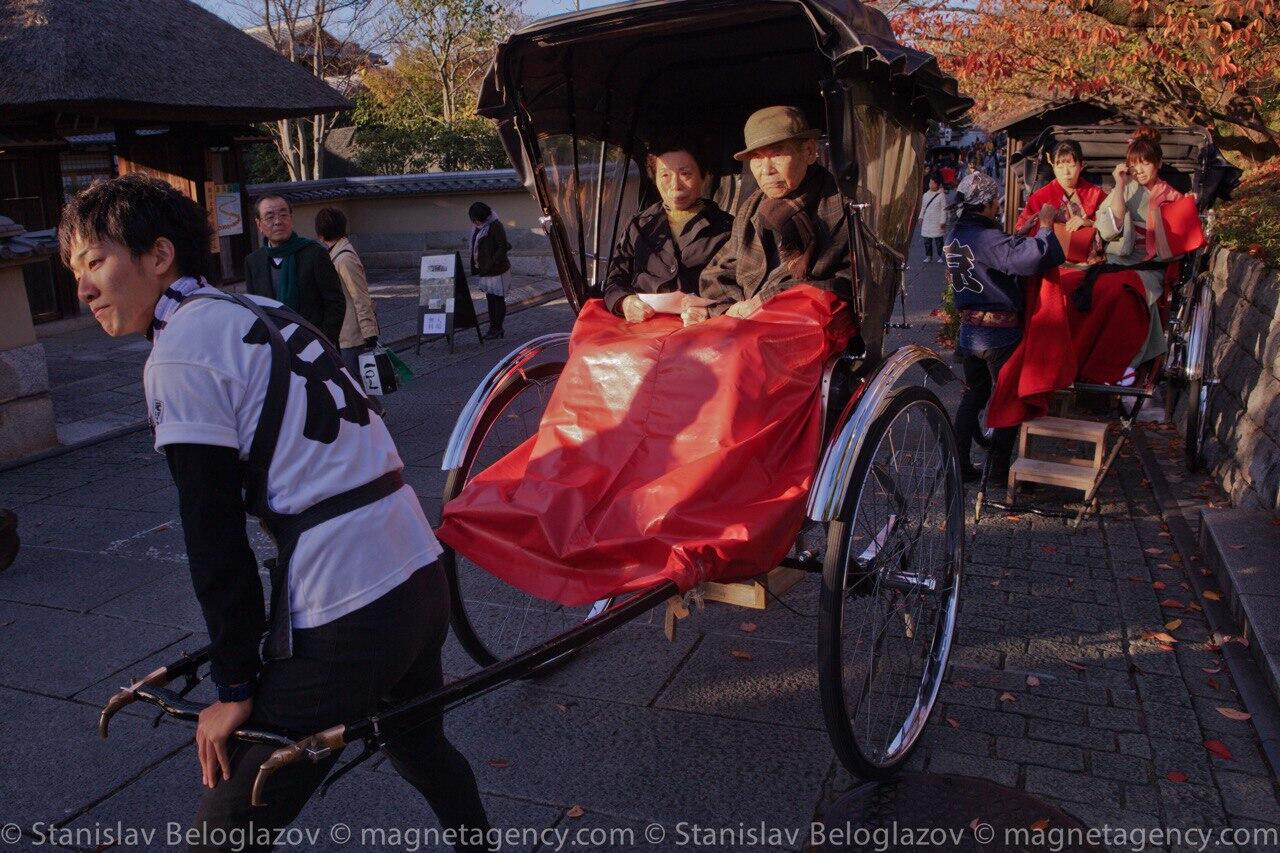
Photo by Stanislav Beloglazov @beloglazov_travel